
How Smart Sensors Are Changing Home Maintenance Practices
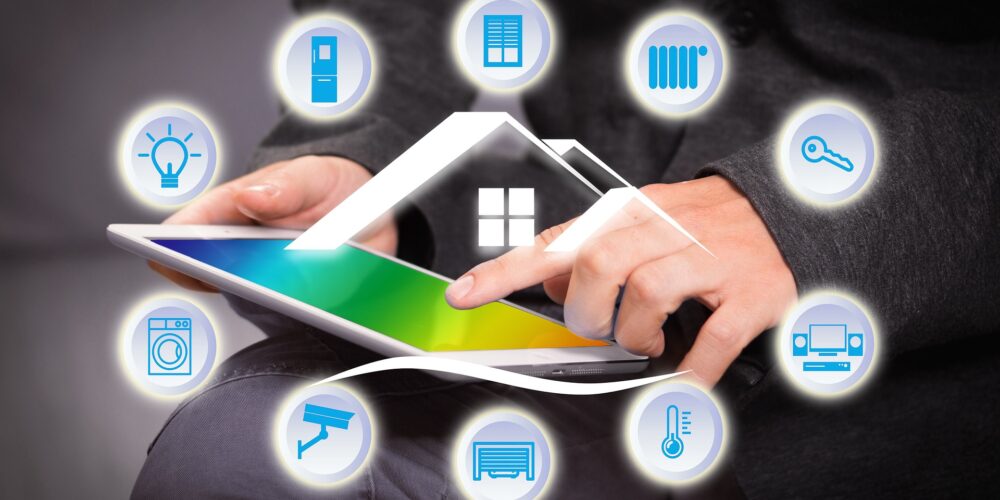
Home maintenance has always required regular attention and timely action. Traditionally, homeowners relied on visual inspections and manual checks to identify problems such as leaks, temperature changes, or structural wear. However, many issues develop silently behind walls, under floors, or within systems that are not easily visible. Smart sensors are changing this approach by providing real-time monitoring of home conditions. These devices collect data and alert homeowners before small issues become serious problems. Understanding how smart sensors are changing home maintenance practices helps explain why they are becoming an essential part of modern homes.
Monitoring Home Conditions in Real Time
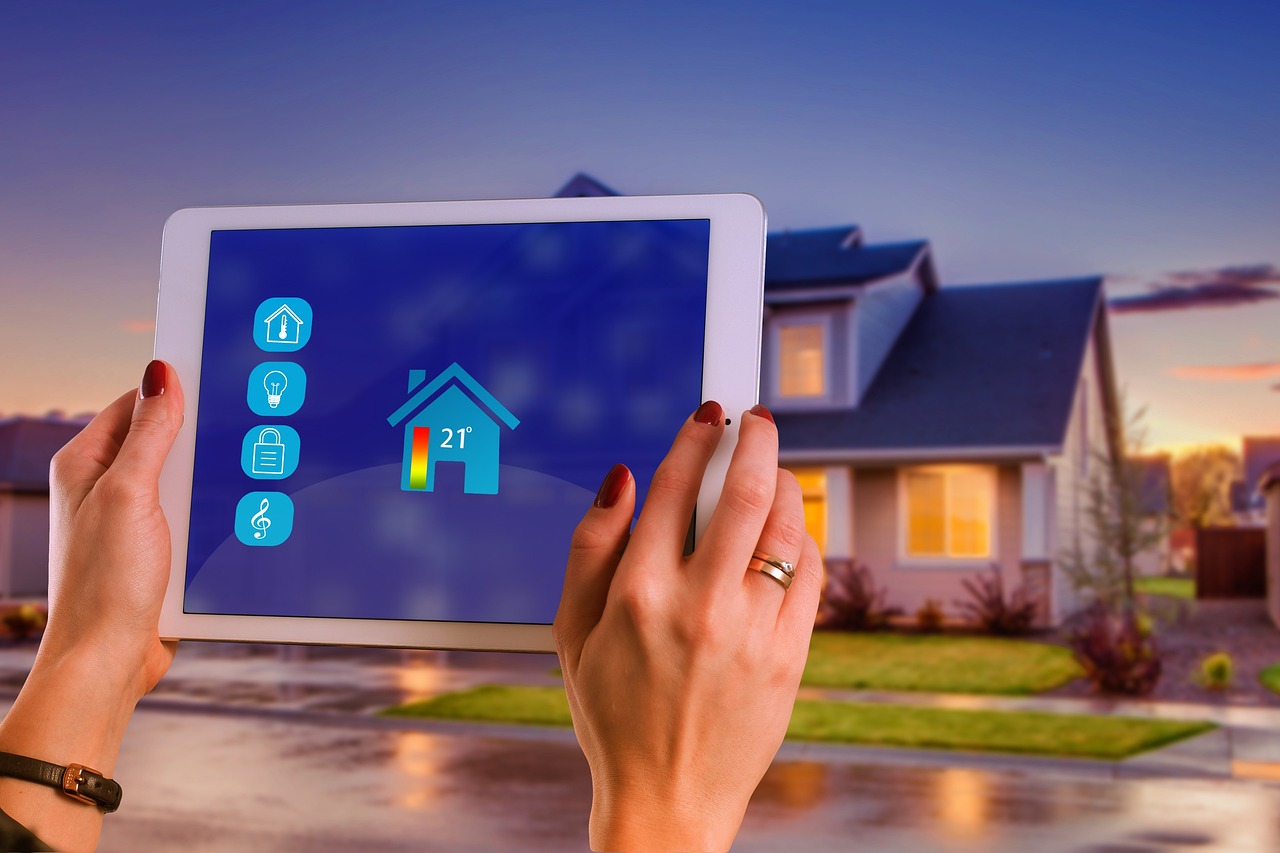
One of the most important benefits of smart sensors is their ability to monitor home conditions continuously. These devices can track temperature, humidity, water flow, air quality, and even movement. Unlike traditional methods, they do not rely on periodic inspections. They provide constant updates about the condition of different systems within the home. This real-time monitoring allows homeowners to detect changes immediately. Early detection helps prevent minor issues from developing into costly repairs. Smart monitoring creates a more proactive approach to home maintenance.
Detecting Water Leaks and Plumbing Issues Early
Water damage is one of the most common and expensive problems in residential properties. Small leaks often go unnoticed until they cause structural damage or mold growth. Smart water sensors are designed to detect leaks as soon as they occur. They can be placed near sinks, toilets, washing machines, and pipes. When moisture is detected, the system sends instant alerts to the homeowner. This allows quick action before the damage spreads. Early leak detection helps protect both the property structure and interior finishes. It also reduces long-term repair costs significantly.
Improving Energy Efficiency in Homes
Energy consumption is a major concern for modern homeowners. Smart sensors help optimize energy usage by tracking how heating, cooling, and lighting systems are used. Temperature sensors adjust climate control systems based on real-time conditions. Motion sensors ensure that lights and appliances are only used when needed. This reduces unnecessary energy consumption throughout the home. Over time, these small adjustments lead to noticeable savings on utility bills. Smart energy monitoring also supports more sustainable living practices. Efficient energy use is becoming an important goal in modern home design.
Enhancing Security and Safety Systems
Home security has also improved with the use of smart sensors. These devices play a key role in detecting unusual activity and ensuring household safety. Motion sensors can detect movement in restricted areas. Door and window sensors alert homeowners to unauthorized access. Smoke and gas sensors provide early warnings of potential hazards. These systems operate continuously, even when homeowners are away. Instant notifications help prevent accidents and security breaches. Smart safety monitoring provides peace of mind and improved protection.
Reducing Maintenance Costs Through Predictive Alerts
One of the most valuable features of smart sensors is predictive maintenance. Instead of reacting to problems after they occur, homeowners receive early warnings about potential issues. Sensors can detect changes in vibration, temperature, or moisture that indicate system failure. For example, HVAC systems may show early signs of malfunction before breaking down. This allows repairs to be scheduled before costly damage occurs. Predictive alerts reduce emergency repair expenses and system downtime. They also extend the lifespan of home equipment and infrastructure. Smart technology helps homeowners make more cost-effective maintenance decisions.
Supporting Smarter Home Management Systems
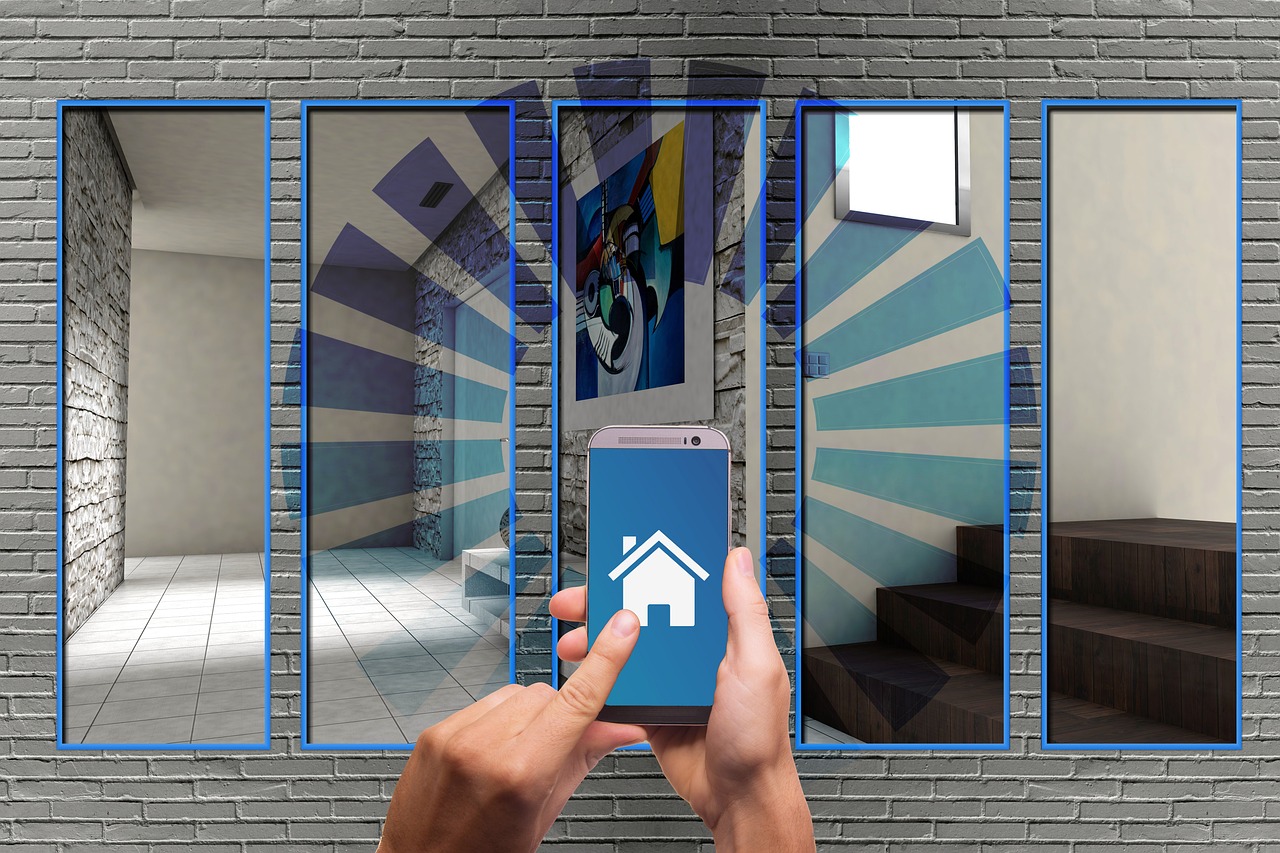
Smart sensors are often connected to broader home automation systems. These systems allow homeowners to control multiple devices from a single platform. Information collected by sensors can be analyzed to improve overall home performance. Users can adjust settings remotely through mobile applications. This integration creates a more efficient and organized approach to home management. Homes become more responsive to environmental and user needs. Automation simplifies maintenance tasks and reduces manual effort. Smart systems are becoming a central part of modern residential living.
Smart sensors are transforming how homeowners approach maintenance and property care. They provide real-time monitoring, early leak detection, energy efficiency improvements, enhanced security, predictive maintenance alerts, and integrated home management systems. These technologies shift home maintenance from a reactive process to a proactive one. Instead of waiting for problems to appear, homeowners can now address issues before they escalate. As smart technology continues to evolve, sensors will play an even greater role in creating safer, more efficient, and more manageable homes.